Building a mud house in India
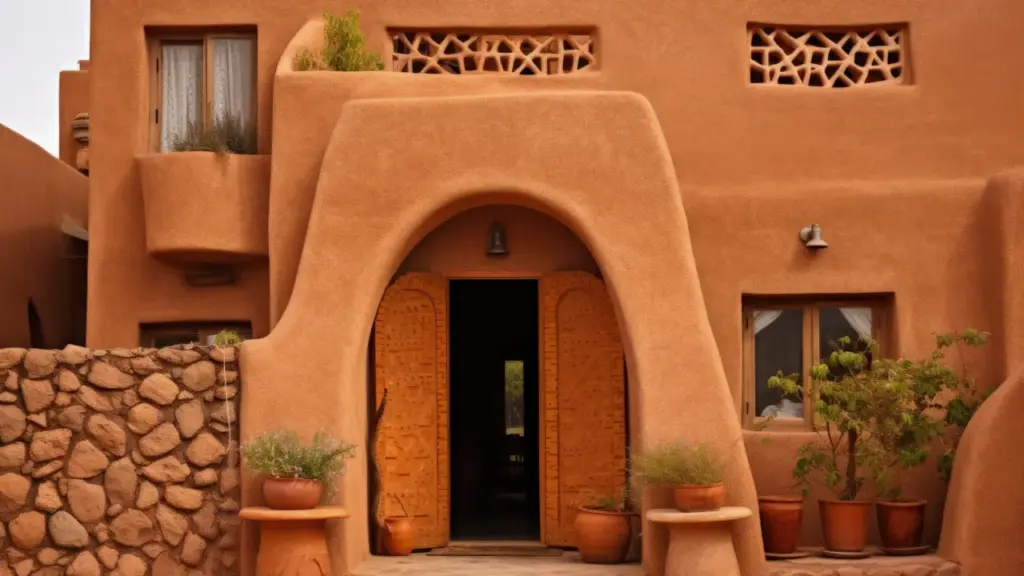
A mud house is a home built with load-bearing walls of raw earth, shaped as adobe blocks, rammed earth, cob, or wattle-and-daub rather than fired brick or concrete. Earthen walls hold heat slowly, so interiors stay cooler through hot days. That thermal logic is why mud has sheltered Indian homes for centuries, and why it […]
Filler slab roofing how it works
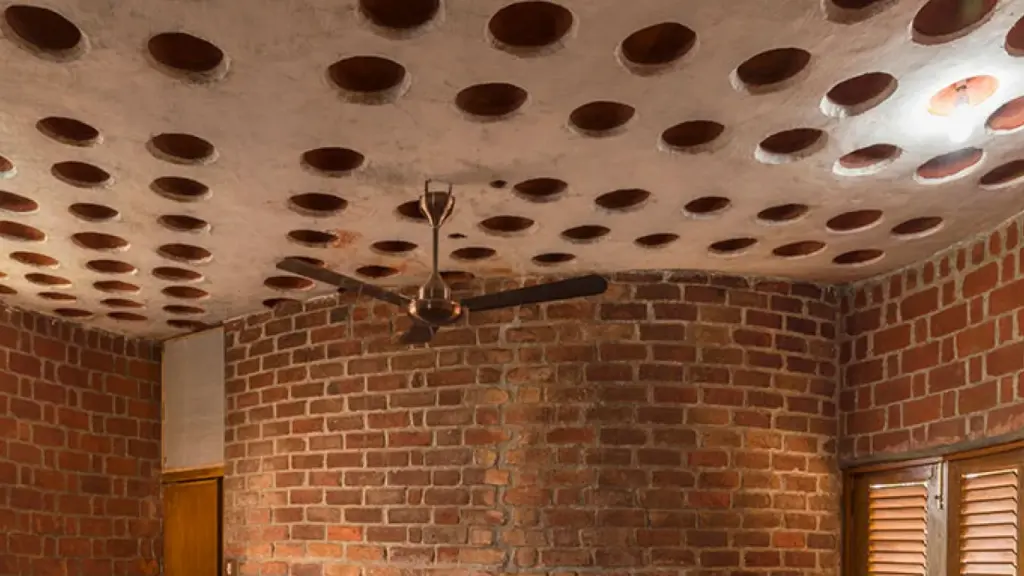
A filler slab is a reinforced-concrete roof in which lightweight clay pots, Mangalore tiles, or terracotta blocks replace the concrete in the slab’s lower tension zone, the part of the slab that carries no load. It uses less concrete and steel, weighs less, and keeps the rooms below it cooler. The technique was popularised in […]
Oxide flooring- a complete guide
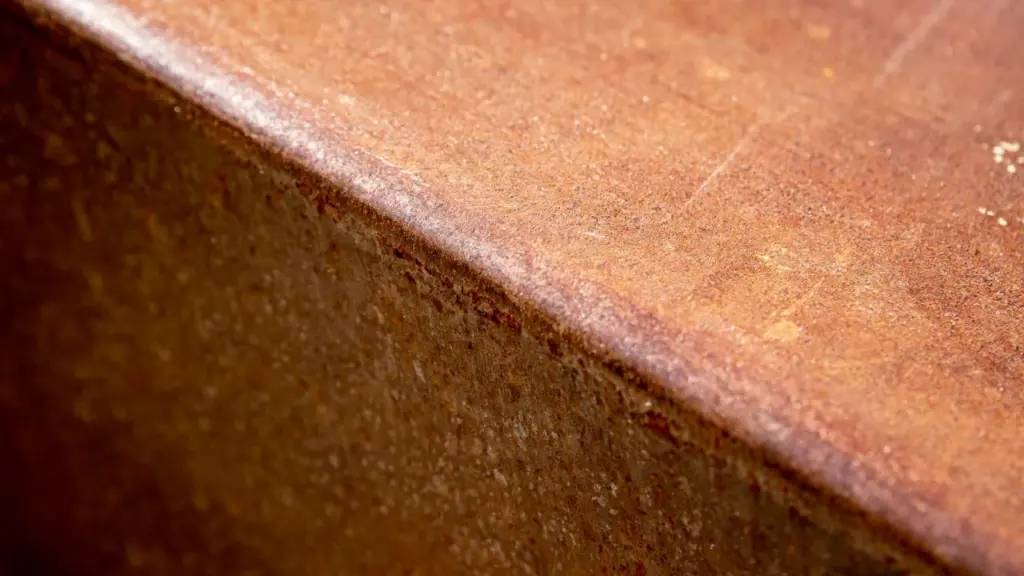
Oxide flooring is a seamless cement floor coloured with iron-oxide pigments, also known as Indian Patent Stone. It is hand-troweled in place, sealed, and polished to a soft sheen that stays cool underfoot and ages into a patina. It suits warm Bengaluru homes for its calm, earthy surface and its low-energy, vernacular make. This guide […]
Athangudi tiles a complete guide
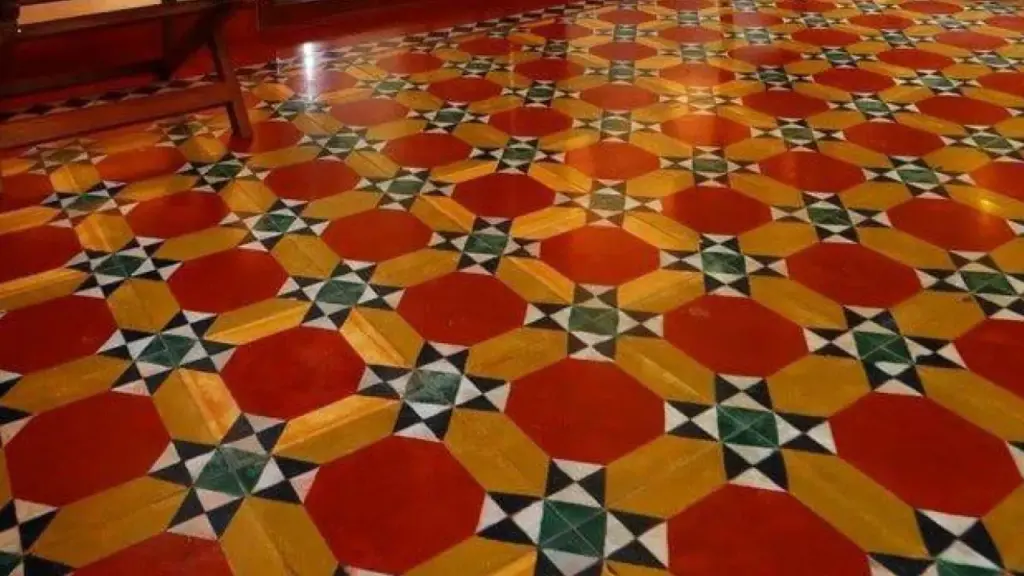
Athangudi tiles are handmade cement floor tiles from Athangudi village in the Chettinad region of Tamil Nadu. Each one is cast by hand: natural oxide pigments, river sand and cement are poured over a glass plate and sun-dried rather than kiln-fired. The result is a glossy, colour-rich floor that stays cool underfoot and softens into […]